


Use Case
Modelos de Avaliação Automática em Imobiliário
Daniel Azevedo · 14 de junho de 2021
Quando decidimos comprar ou arrendar um imóvel (apartamento, quarto, casa, etc), um dos critérios de busca mais importantes é o preço. O seu valor depende essencialmente de características como localização, ano de construção, número de divisões, área, aquecimento central, entre outras.
No entanto, dois imóveis com as mesmas características podem ser vendidos a preços totalmente diferentes, e existem razões mais profundas para essa divergência. A urgência do vendedor ou comprador em concluir a operação, o contexto de mercado, a agência imobiliária que gere a negociação ou a altura do ano, contribuem todos para estas diferenças.
Assim, pode ser particularmente desafiante determinar qual é o preço real de venda de um imóvel. Ao analisar os preços de listagem em plataformas imobiliárias, podemos ter uma ideia incorreta do verdadeiro valor do imóvel. Isto é especialmente verdadeiro devido à sobrestimação do valor realista para fins de venda. Isto pode levar a que acabemos por comprar ou arrendar um imóvel a um preço muito superior ao realista.
Por isso, iremos explorar uma abordagem para determinar o preço real de venda de um imóvel, tendo em consideração diferentes aspectos relevantes para fazer uma oferta.
O investimento em imobiliário pode ser a compra ou arrendamento de uma casa, um apartamento ou um quarto. Pode também ser para uso privado ou comercial. No entanto, consideraremos o cenário de compra de um apartamento para uso privado. Ainda assim, em todos estes contextos diferentes, as mesmas considerações podem ser tidas em conta.
Dados
Para além das características do imóvel, existem outros factores que podem influenciar o preço de venda. Por isso, devemos considerar outros tipos de indicadores e dados ao fazer uma avaliação, nomeadamente:
- Dados demográficos e geoespaciais: um crescimento recente da população numa determinada zona pode indicar uma procura mais elevada nessa área, portanto o preço deverá ser mais elevado. Assim, o crescimento da população na vizinhança pode ser um indicador do preço do imóvel. Também as infraestruturas nas zonas como o número e variedade de lojas, centros comerciais, transportes públicos e escolas podem ajudar a determinar o preço correto.
- Dados não estruturados: as imagens, descrições e opiniões fornecidas sob a forma de imagens e texto podem ajudar a captar o estado do imóvel, o qual pode impactar o seu preço.
- Comportamento de mercado: As condições actuais do mercado também têm impacto nos preços de venda. A procura ou o número de imóveis similares à venda impactam o valor do imóvel, seguindo a Lei da Procura e Oferta. Assim, o preço médio de imóveis similares comprados recentemente pode ser um bom indicador do preço. Além disso, o tempo durante o qual o imóvel está no mercado, comparado com a média para imóveis similares, pode indicar uma questão em relação ao preço actual.
- Indicadores económicos: Também existem factores económicos que influenciam o preço de imóveis. Por exemplo, o aumento da taxa de emprego ou do crescimento salarial pode levar a um aumento no preço de listagem do imóvel. Também alterações na taxa de juro ou incentivos financeiros podem contribuir para a compra de um imóvel através de crédito.
- Aspectos de venda: a urgência no processo de venda, condições de pagamento e experiência da agência imobiliária, são outros aspectos que podem influenciar o preço de venda, comparado com o seu valor real.
Em termos dos dados disponíveis, podemos considerar que conhecemos as características do apartamento (por exemplo, número de divisões, localização, área, eficiência energética, etc) e alguns indicadores, como número de infraestruturas próximas, taxa de emprego, preço médio de imóveis similares, urgência na venda, imagens e textos dos apartamentos, etc.
Além disso, em termos de preço, consideramos que conhecemos o preço de listagem de todos os apartamentos e o preço de venda de alguns apartamentos (por exemplo, o preço de venda de operações realizadas por uma única agência imobiliária). Esta informação pode ser estruturada da seguinte forma:
Para esclarecimento, referimo-nos ao preço de venda como o valor pelo qual um determinado imóvel é efectivamente vendido e o preço de listagem corresponde ao preço pelo qual o imóvel foi listado no mercado inicialmente.
Previsão de Preço
A previsão do preço de venda apresenta vários desafios, nomeadamente os seguintes dois:
- O preço real de venda muitas vezes não está disponível no nosso conjunto de dados
- O preço de listagem pode ajudar-nos a prever o preço de venda, embora a distribuição da razão entre preço de listagem e preço de venda não seja conhecida
Abordagem semi-supervisionada
Como o preço de venda está disponível apenas num pequeno conjunto de amostras, a exploração de uma abordagem totalmente supervisionada não é adequada.
Uma primeira abordagem poderia ser usar uma abordagem semi-supervisionada com o objetivo de prever o preço de venda com base nas poucas amostras etiquetadas, da seguinte forma:
F(características do apartamento) -> preço de venda
Onde características do apartamento inclui todos os aspectos previamente descritos, como dados demográficos e geoespaciais, comportamento de mercado, indicadores económicos, etc, para além das características do apartamento. Os dados de texto ou imagem poderiam ser codificados para serem utilizados num formato de dados tabular.
Existem diferentes técnicas semi-supervisionadas que poderíamos explorar (transdutivas, indutivas, métodos wrapper, etc) para modelação.
No entanto, esta abordagem teria enviesamento em relação à agência da qual recolhemos o preço de venda real. Além disso, não estaríamos explicitamente a aproveitar ter o preço de listagem disponível, que pode ser utilizado como uma etiqueta fraca.
Curso
O Espectro de Machine Learning
Conheça os diferentes tipos de aprendizagem.
Abordagem semi-supervisionada + supervisionada fraca
Assim, outra abordagem é considerar o preço de listagem como uma etiqueta fraca e utilizá-lo para prever o preço de venda. Para fazer um mapeamento directo, seria necessário determinar a distribuição da diferença entre o preço real de venda e o preço de listagem.
Assim, podemos combinar aprendizagem semi-supervisionada e aprendizagem supervisionada fraca, de forma a:
- Adaptar a nossa abordagem, considerando que temos poucos dados etiquetados (abordagem semi-supervisionada)
- Utilizar uma etiqueta ruidosa e fraca, o preço de listagem, como ponto de partida para calcular o preço real de venda (abordagem supervisionada fraca)
Para conseguir isto, iremos personalizar uma função de perda que nos ajude a resolver esta tarefa, considerando estes desafios.
De forma genérica, podemos modelar o nosso problema da seguinte forma:
F(características do apartamento, preço de listagem) -> preço de venda
Novamente, as características do apartamento consistiriam em todos os aspectos mencionados antes e não apenas nas características do apartamento.
Distribuição da razão entre preço de venda e preço de listagem
Iremos determinar a relação entre o preço de listagem e preço de venda calculando a distribuição da razão entre eles.
Um exemplo possível da distribuição da razão de preço poderia ser:
Função de perda/Optimização
A função de perda será personalizada de forma a comparar a distribuição da razão de preço usando previsões do modelo com a distribuição real da razão de preço (calculada com os preços de venda conhecidos), combinada com a avaliação das previsões do preço de venda.
Para conseguir isto, podemos utilizar a Divergência de Kullback-Leibler, que quantifica a diferença entre distribuições de probabilidade usando a seguinte fórmula:

Onde p e q correspondem às duas distribuições de probabilidade a serem comparadas.
Para avaliar as previsões de preço de venda podemos usar o Erro Médio Absoluto (MAE):
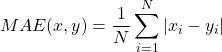
Onde x representa as previsões do preço de venda e y representa os preços de venda reais.
Assim, a nossa função de perda seria:

Onde r_p refere-se à distribuição da razão de preço usando as previsões do preço de venda do modelo e r_g refere-se à distribuição real da razão de preço, usando as amostras em que conhecemos o preço de venda real. O selling_price_predicted representa os preços de venda previstos pelo modelo e o selling_price_real representa os preços de venda reais.
Gostaria de discutir esta ideia mais a fundo?
Agende uma reunião com Kelwin Fernandes
Conheça Kelwin Saiba Mais
Conclusão
A tarefa de comprar um imóvel pode ser bastante impactante na nossa vida financeira. Por isso devemos esforçar-nos extra para tentar obter o melhor negócio em termos de valor/qualidade versus preço.
Este artigo discute uma abordagem para determinar o preço correcto de venda, baseada nos diferentes factores considerados relevantes. Existem muitos aspectos que influenciam o valor de um imóvel e ainda mais que determinam o preço de venda. Assim, começámos por fazer uma análise dos diferentes aspectos que podem influenciar o preço de venda, onde comportamento de mercado, dados demográficos e geoespaciais, dados não estruturados (comentários, imagens e descrições) e indicadores económicos estão incluídos.
Com base nos dados que normalmente estão disponíveis online, descrevemos uma abordagem que combina aprendizagem supervisionada fraca e semi-supervisionada, juntamente com uma função de perda personalizada que se foca em aprender a distribuição real da razão de preço, ou seja, a razão entre o preço de listagem e o preço de venda.
Esta pode ser uma abordagem realista para prever o preço real de venda. No entanto, e como é habitual, se tem comentários ou ideias sobre Modelos de Avaliação Automática em Imobiliário, certifique-se que nos contacta!